Foundations of Hemp Textiles, Sustainability & Wellbeing

Hempmandu Education Program
A structured learning initiative exploring hemp beyond the product — from fiber science and sustainability to culture, wellbeing, and the future of responsible textiles.
Elizabeth I Strengthened the Law
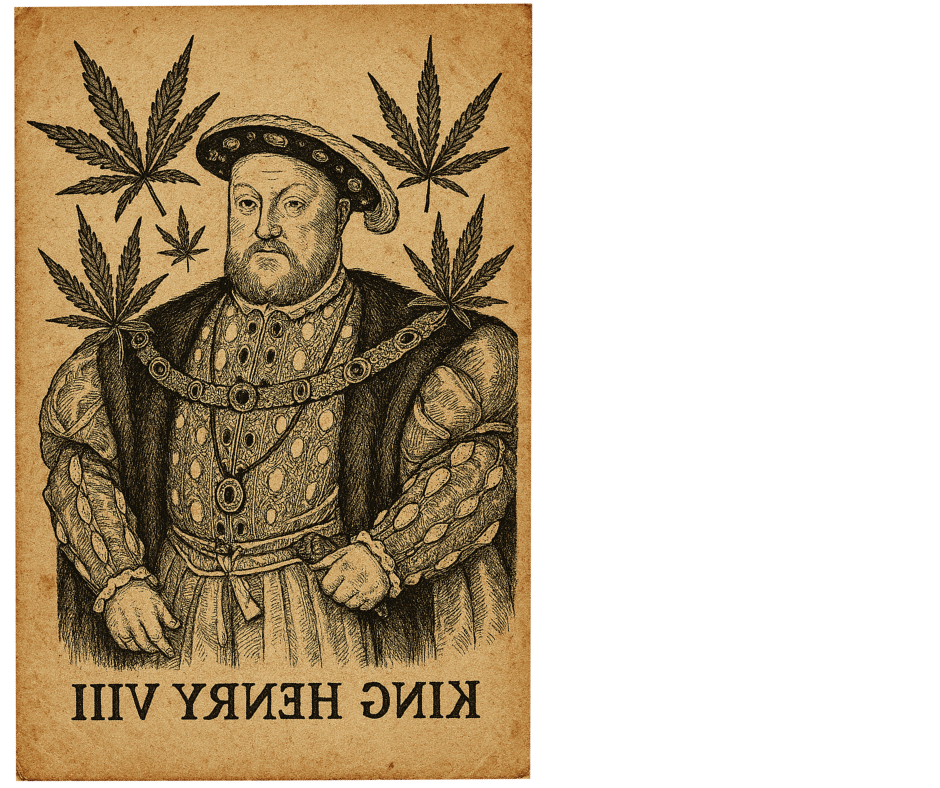
After Henry VIII, Queen Elizabeth I doubled down on hemp cultivation. She increased penalties and pushed for even greater production to support naval expansion and international trade. Hemp became a backbone of the British maritime economy. A Forgotten Legacy For centuries, hemp was: • A mandatory crop • A military asset • A driver of trade • A foundation of everyday life (textiles, rope, paper, oil) This history is rarely taught today, but it shows how deeply hemp is woven into human progress.
Why This Matters for Hempmandu
Hempmandu stands on the shoulders of a global heritage. When we champion hemp today, we’re not introducing something new — we’re reviving a material that once shaped nations. Hemp is: • Renewable • Durable • Low‑impact • Culturally significant • Historically essential By educating our community, we reconnect hemp with its rightful place: a material of strength, sustainability, and legacy.
Hempmandu Education: The Royal History of Hemp
Hemp & The Crown: When Growing Hemp Was the Law
Hemp is not just a modern sustainability trend — it was once so essential that kings made it mandatory. In 1533, during the reign of King Henry VIII, English farmers were legally required to grow hemp. The law demanded that every 60 acres of cultivated land must include at least a quarter‑acre of hemp.
Failure to comply resulted in fines. This wasn’t symbolic policy — it was national strategy.
Why Hemp Was a Strategic Resource
England’s power depended on the sea. The Royal Navy needed enormous quantities of hemp for:
- Rope and rigging
- Sailcloth
- Nets
- Caulking and ship maintenance
- Military supply lines
A single warship required tons of hemp fibre. Without hemp, there was no navy — and without a navy, there was no empire.
Module 1: Hemp 101 – Understanding the Fiber
Module Purpose
This module introduces hemp as a textile fiber, clears common misconceptions, and lays the
foundation for informed, confident choices around hemp fabrics.
Who This Module Is For
- Consumers new to hemp textiles
- Designers and fashion students
- Brands exploring sustainable materials
- Retail staff and educators
No prior knowledge required.
Learning OutcomesBy the end of this module, participants will:
- Understand what hemp fiber is and how it is produced
- Know the difference between hemp and psychoactive cannabis
- Recognize why hemp is suitable for textiles
- Understand hemp’s cultural and historical significance

1. What Is Hemp?
Hemp is a natural fiber derived from the stalk of the Cannabis sativa plant, grown specifically for industrial use.
Industrial hemp is:
- Non-intoxicating
- Grown for fiber, seed, and oil
- Cultivated under strict regulations
- Used in textiles, construction, food, and wellness products.
Hemp used in textiles does not produce a “high” and contains only trace, legally regulated levels of THC.

2. Hemp vs Cannabis: Clearing the Confusion
One of the biggest barriers to hemp adoption is misunderstanding.
Hemp (Industrial)
- Grown for fiber & seed
- Very low THC
- Used in textiles & industry
- No intoxicating effect
Cannabis (Psychoactive)
Grown for THC-rich flowers
High THC
Used recreationally/medically
Psychoactive effect
Hemp has been used for thousands of years in rope, sails, clothing, and sacred textiles.

3. How Hemp Fiber Is Made
The textile process involves:
- Cultivation – Hemp grows quickly with minimal water
- Harvesting – Stalks are cut when fiber is mature
- Retting – Natural process separates fiber from stalk
- Decortication – Fiber is mechanically separated
- Spinning & Weaving – Fiber becomes yarn and fabric
Modern techniques allow hemp to be soft, breathable, and suitable for everyday wear.

4. Why Hemp Is a Powerful Textile Fiber
Hemp has natural properties that make it ideal for clothing:
- Stronger than cotton
- Highly breathable
- Naturally antimicrobial
- UV-resistant
- Long-lasting and durable
- Becomes softer with wear
Hemp garments are designed to last — reducing waste and overconsumption.

5. Cultural & Historical Roots
In Himalayan regions such as Nepal, hemp has long been:
- Used for clothing and tools
- Connected to meditation and spiritual practice
- Respected as a natural gift, not a taboo
This cultural knowledge informs Hempmandu’s approach — combining heritage wisdom with
modern design.

6. Hemp in Modern Fashion
Today, hemp is used in:
- T-shirts and casual wear
- Outerwear and uniforms
- Blended fabrics for softness and drape
- Sustainable fashion collections
When blended with fibers like organic cotton or TENCEL™, hemp delivers comfort without compromising sustainability.

7. Common Myths About Hemp Textiles
Truth: Modern hemp can be soft and smooth
Myth: Hemp clothing smells or degrades
Truth: Hemp resists odor and lasts longer
Myth: Hemp is illegal
Truth: Industrial hemp is legal and regulated

8. Why This Matters
Understanding hemp empowers better choices:
- For the planet
- For human health
- For ethical production
- For future generations
Education is the first step toward industry change.

Module Summary
Hemp is:
- Natural
- Sustainable
- Durable
- Culturally significant
- Ready for modern fashion
Hemp is not a trend — it is a return to intelligent materials.

Module 1 Quiz – Hemp 101: Understanding the Fiber

Time's up
MODULE 2: Benefits of Hemp Textiles
Module Purpose
This module explores why hemp is one of the most powerful textile fibers available, covering
environmental, performance, health, and lifecycle benefits.
Who This Module Is For
- Consumers choosing sustainable clothing
- Designers selecting fabrics
- Brands building ethical collections
- Educators and retail staff
Learning Outcomes
By the end of this module, participants will:
- Understand hemp’s environmental advantages
- Recognise performance benefits in daily wear
- Understand health and comfort properties
- See the long-term value of hemp textiles

1. Environmental Benefits of Hemp
Hemp is one of the most environmentally responsible fibers available.
Key benefits:
- Requires significantly less water than cotton
- Grows quickly (3–4 months)
- Requires minimal pesticides or herbicides
- Improves soil health through deep root systems
- Biodegradable and renewable
Hemp reduces pressure on ecosystems while delivering strong performance.
2. Performance Benefits
Hemp textiles are engineered by nature for durability.
Performance properties include:
- High tensile strength
- Tear resistance
- Shape retention
- UV resistance
- Long-lasting structure
Hemp garments are designed to last — reducing fast fashion waste.
3. Health & Comfort Benefits
Hemp works with the body.Natural properties:
- Breathable and temperature-regulating
- Moisture-wicking
- Naturally antimicrobial
- Odour-resistant
- Hypoallergenic for sensitive skin
This makes hemp ideal for everyday wear, uniforms, and workwear.
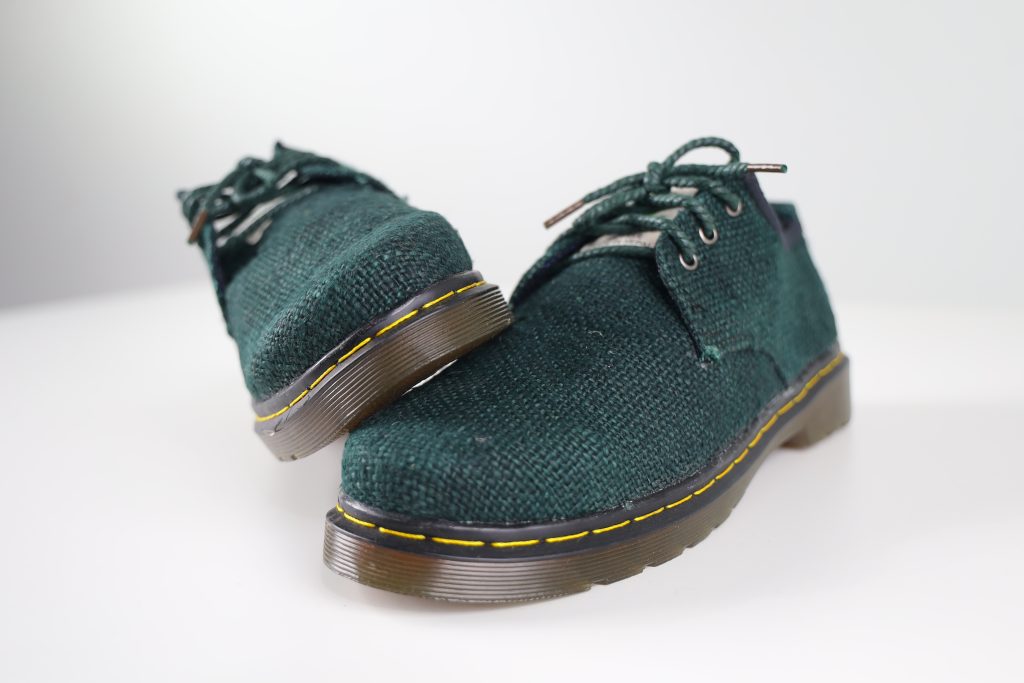
4. Longevity & Lifecycle Value
Hemp textiles:
- Outlast many conventional fabrics
- Become softer over time
- Require fewer replacements
- Reduce total environmental footprint over garment life
True sustainability is measured over years, not seasons.
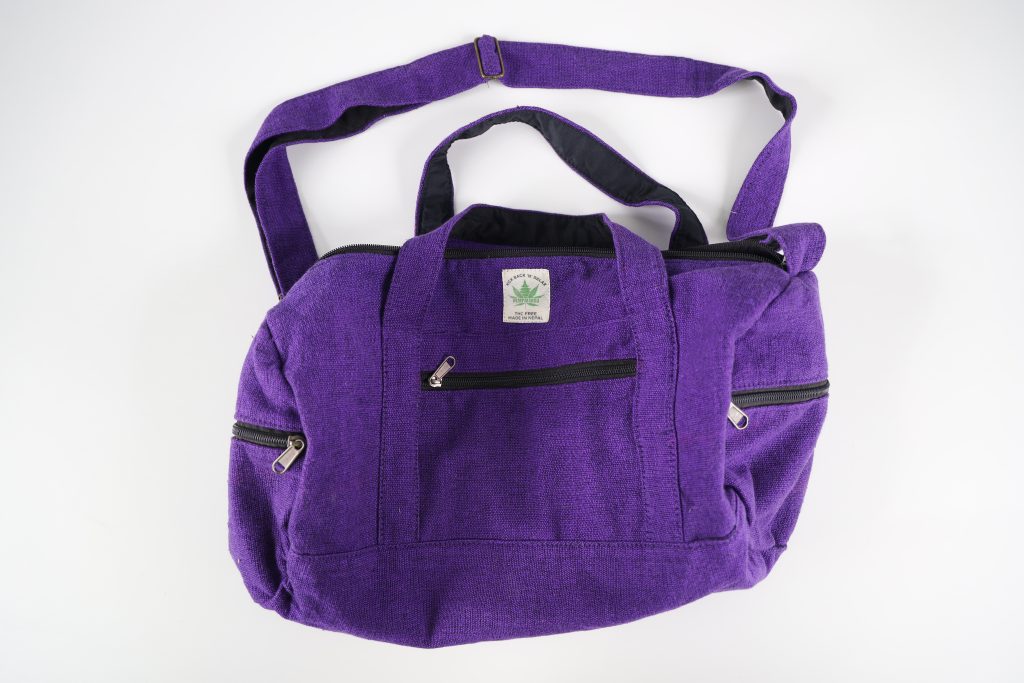
5. Why This Matters
Hemp textiles:
- Outlast many conventional fabrics
- Become softer over time
- Require fewer replacements
- Reduce total environmental footprint over garment life
True sustainability is measured over years, not seasons.
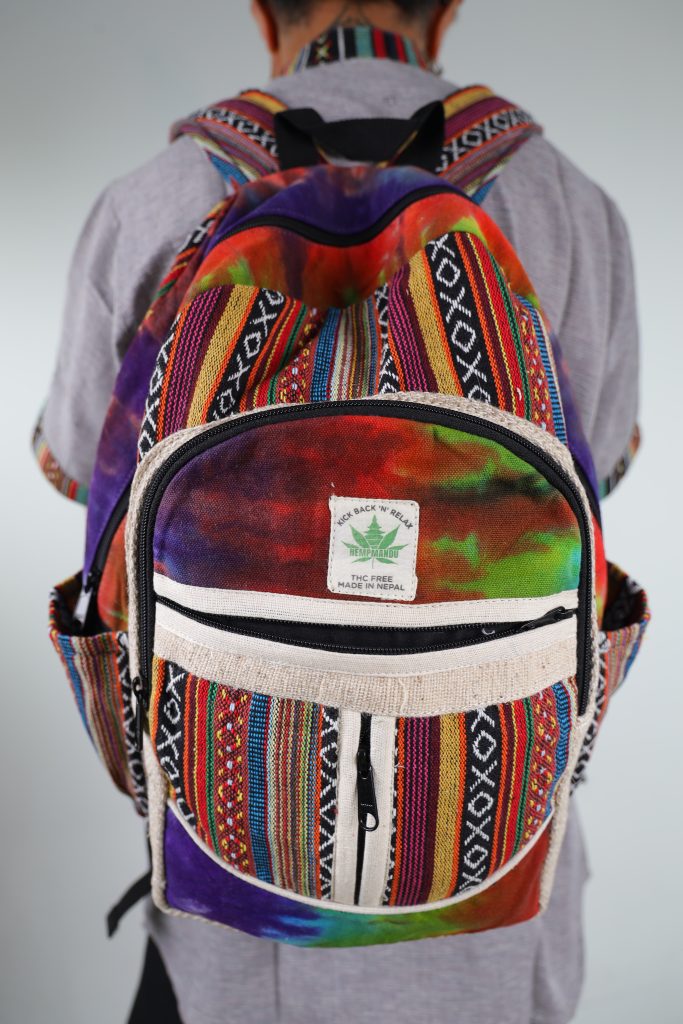
Module 2 Summary
Hemp textiles deliver:
- Environmental responsibility
- High performance
- Natural comfort
- Long-term value
This is why hemp belongs at the center of modern textiles.
MODULE 2 QUIZ – Benefits of Hemp Textiles
Time's up
Module 3 – Hemp vs Conventional Fabrics
Material intelligence for better decisions
Module Purpose
This module helps participants compare hemp with conventional fabrics such as cotton and
polyester, using environmental impact, performance, health, and lifecycle value as benchmarks.
The goal is not to demonise other fabrics — but to educate smarter choices.
Who This Module Is For
- Consumers choosing between fabrics
- Designers selecting materials
- Brands planning collections
- Retail staff and educators
Learning Outcomes
By the end of this module, participants will:
- Understand key differences between hemp, cotton, and polyester
- Recognise environmental and health impacts of each fabric
- Understand cost and value over a garment’s lifecycle
- Make informed material decisions
- Hemp vs CottonCotton (Conventional)
- High water consumption
- Heavy pesticide use (non-organic)
- Soil degradation over time
- Soft initially, but weaker fiber
Hemp
- Requires significantly less water
- Naturally pest-resistant
- Improves soil health
- Stronger, longer-lasting fiber
Key Insight:
Organic cotton improves impact, but hemp still outperforms cotton in durability and water
efficiency.
- Hemp vs Polyester
Polyester (Synthetic)
- Made from fossil fuels
- Non-biodegradable
- Releases microplastics when washed
- Can trap heat and odor
Hemp
- Plant-based and renewable
- Biodegradable
- No microplastic pollution
- Breathable and temperature regulatingKey Insight:
Polyester is cheap upfront — hemp is responsible long-term.
- Environmental Impact Comparison
Factor Hemp Cotton Polyester
Water Use Low High Moderate
Renewability High Moderate Low
Biodegradable Yes Yes No
Microplastics No No Yes
Soil Impact Improves Depletes None
- Performance & Wearability
Hemp
- Strong, durable, breathable
- Naturally antimicrobial
- Becomes softer with wear
Cotton
- Soft but weaker
- Absorbs moisture
- Wears out faster
Polyester
- Strong but traps heat
- Odor retention
- Comfort relies on chemical treatment5. Health & Skin Impact
- Hemp: hypoallergenic, breathable, low odor
- Cotton: generally safe, but treated fabrics may irritate
- Polyester: may cause skin irritation, odor buildup
Important:
What touches the skin matters — especially in uniforms and daily wear.
- Cost vs Value Over Time
Upfront Cost
- Polyester: Low
- Cotton: Medium
- Hemp: Medium–High
Long-Term Value
- Polyester: Low (wears, smells, microplastic cost)
- Cotton: Medium
- Hemp: High (durability, fewer replacements)
True sustainability = cost over time, not price at checkout.
- Why Hempmandu Chooses HempHempmandu prioritises hemp because it:
- Aligns with environmental responsibility
- Delivers long-term performance
- Supports wearer wellbeing
- Represents a future-ready material
Hemp is not about perfection — it’s about progress.
Module 3 Summary
Hemp offers:
- Lower environmental impact
- Better durability
- Improved comfort
- Stronger lifecycle value
Compared to conventional fabrics, hemp consistently performs better where it matters most.
MODULE 3 QUIZ – Hemp vs Conventional Fabrics
Time's up
Module 4 – Hemp Blends & Modern Applications
Designing for comfort, performance, and real-world use
Module Purpose
This module explains why hemp is often blended with other sustainable fibers, how different
blends perform, and where they are best used in modern fashion, uniforms, and lifestyle
products.
Hemp alone is powerful — blends make it practical, versatile, and scalable.
Who This Module Is For
- Designers and fashion students
- Brands and product developers
- Manufacturers and sourcing teams
- Retail educators
Learning Outcomes
By the end of this module, participants will:
- Understand why hemp blends are used
- Recognise the performance benefits of common hemp blends
- Match fabric blends to real-world applications
- Make informed material decisions for different product types
- Why Blend Hemp?While 100% hemp fabrics are durable and sustainable, blending hemp with other fibers can:
- Improve softness and drape
- Enhance stretch or fluidity
- Increase comfort for daily wear
- Reduce stiffness in lighter garments
- Expand design possibilities
Blending is not a compromise — it is material intelligence.
- Common Hemp Blends & Their Benefits
Hemp + Organic Cotton
- Softer hand feel
- Improved breathability
- Ideal for t-shirts, casual wear, underwear
- Reduces cotton’s environmental footprint
Hemp + TENCEL™ / Lyocell
- Smooth, silky texture
- Excellent moisture control
- Drapes well for modern silhouettes
- Ideal for shirts, dresses, elevated basics
Hemp + Bamboo
- Soft and lightweight
- Natural antibacterial properties
- Comfortable against sensitive skin
- Ideal for loungewear and base layersHemp + Wool
- Natural insulation
- Temperature regulation
- Odour resistance
- Ideal for outerwear and cold-weather garments
Hemp + Silk
- Luxurious feel
- Lightweight with strength
- Elegant drape
- Ideal for premium fashion pieces
Hemp + Yak Hair
- Exceptional warmth
- Soft yet durable
- Culturally significant Himalayan fiber
- Ideal for cold-climate garments
Hemp + Nettle
- Strong, traditional fiber
- Low environmental impact
- Unique texture and heritage value
- Ideal for heritage and artisanal pieces
- Choosing the Right Blend
When selecting a hemp blend, consider:
- End use (daily wear, workwear, premium)
- Climate and season
- Skin sensitivity• Durability requirements
- Brand positioning
There is no “one fabric fits all.”
- Applications in Modern Fashion
Hemp blends are used across:
- T-shirts and everyday basics
- Hospitality and corporate uniforms
- Workwear and utility garments
- Lifestyle and travel clothing
- Premium and artisanal collections
Hemp blends allow brands to meet performance and aesthetic expectations without sacrificing
sustainability.
- Hemp in Uniforms & Workwear
Hemp blends are particularly effective for uniforms because they:
- Resist odor and bacteria
- Last longer under frequent washing
- Offer breathability during long shifts
- Support wearer comfort and wellbeing
This makes hemp blends ideal for hospitality, healthcare, and corporate environments.6. Sustainability Considerations
Responsible blending means:
- Using certified sustainable fibers
- Avoiding unnecessary synthetics
- Maintaining biodegradability where possible
- Being transparent with consumers
Hempmandu supports blends that balance performance and responsibility.
Module 4 Summary
Hemp blends:
- Expand design flexibility
- Improve comfort and wearability
- Enable real-world applications
- Support scalable sustainability
Blending hemp is not dilution — it is evolution
MODULE 4 QUIZ – Hemp Blends & Applications
Time's up
Module 5 – Culture, Wellbeing & the Future of Hemp
Beyond fabric — a movement, a mindset, a future
Module Purpose
This final module explores hemp beyond material performance — looking at its cultural roots,
connection to wellbeing and mental health, and its role in shaping the future of sustainable
textiles.This is where Hempmandu clearly stands apart from ordinary brands.
Who This Module Is For
- Consumers seeking meaning in what they wear
- Brands building purpose-led identities
- Designers and creatives
- Community, wellbeing, and sustainability advocates
Learning Outcomes
By the end of this module, participants will:
- Understand hemp’s cultural and historical significance
- Recognise the connection between textiles, wellbeing, and mental health
- Understand the role of education in breaking stigma
- See how hemp fits into the future of fashion and society
- Hemp’s Cultural Roots
For thousands of years, hemp has been used across cultures for:
- Clothing and textiles
- Rope, tools, and shelter
- Rituals, meditation, and healing
In Himalayan regions such as Nepal, hemp has never been taboo — it has been respected as a
natural gift, deeply connected to spirituality, balance, and devotion to Lord Shiva.
This cultural respect informs Hempmandu’s foundation.2. Hemp, Creativity & Wellbeing
Textiles are not just functional — they affect how we feel.
Hemp supports wellbeing by:
- Being breathable and comfortable on the skin
- Reducing irritation and odor
- Encouraging slower, more mindful consumption
For the founder of Hempmandu, creativity, art, and hemp became tools for healing and
grounding after experiencing trauma and PTSD.
Fashion can be part of recovery — not pressure.
- Mental Health & Conscious Living
Hempmandu believes:
- What we wear impacts our mental state
- Sustainability includes human wellbeing
- Fashion should empower, not exploit
Through education, storytelling, and advocacy, Hempmandu works to reduce stigma — around
hemp, mental health, and alternative paths to healing.
- The Role of EducationEducation is essential to change.
Without education:
- Hemp remains misunderstood
- Stigma persists
- Sustainable options stay niche
Through the Hempmandu Education Program, knowledge becomes a tool for:
- Informed consumer choice
- Responsible brand decisions
- Ethical manufacturing partnerships
Education turns awareness into action.
- The Future of Hemp Textiles
The future of fashion demands:
- Regenerative materials
- Transparency and traceability
- Durability over disposability
- Purpose beyond profit
Hemp fits this future.
As technology, design, and regulation evolve, hemp will move from the margins to the
mainstream — not as a trend, but as a new standard.Hempmandu exists to help lead that transition.
- What Hempmandu Stands For
Hempmandu stands at the intersection of:
- Culture
- Sustainability
- Education
- Wellbeing
- Modern design
This is not fast fashion.
This is not greenwashing.
This is conscious creation.
Module 5 Summary
Hemp is:
- Culturally rooted
- Connected to wellbeing
- Capable of industry-wide change
The future of textiles is not just technical — it is human.
MODULE 5 QUIZ – Culture, Wellbeing & the Future of Hemp
Time's up